Margaret Comstock (1800s)
Early textile advocate who championed pure materials and simple, durable sleep surfaces. Her work reminded consumers that comfort begins with the fiber in contact with the skin, not just the frame around it.
Explore the essentials of organic mattresses, including certification standards, materials, and care tips. This guide helps readers evaluate sustainability, comfort, and longevity without commercial bias.
In a world crowded with sleep products, the term “organic mattress” has become a beacon for those who want cleaner materials, fewer toxins, and transparent supply chains. But organic labeling isn’t a single certificate or a universal standard. It’s a landscape of certifications, materials, and manufacturing practices that, when read clearly, reveals a product designed with both people and the planet in mind.
This guide dives into the core ideas behind organic mattresses, explains what to look for when you read labels or certifications, and offers a practical approach to evaluating comfort and durability without getting pulled into shopping hype. It’s about sleep health, environmental stewardship, and informed decision-making—so you wake up rested and confident in your choice.
Certifications act as a bridge between producers and consumers, translating environmental and safety commitments into trustworthy signals. When you’re shopping for an organic mattress, certifications help you understand where materials come from, how they’re processed, and what standards govern their use. Three cornerstone ideas emerge:
Beyond those main certs, you’ll encounter other labels that communicate ethical sourcing, low-VOC finishes, and durable, long-lasting materials. When a product carries one or more of these marks, it’s a signal that the company has made intentional choices about what goes into the mattress and how it’s made.
The materials inside an organic mattress shape not only comfort but also temperature regulation, durability, and how a mattress wears over time. Here’s a practical overview of common organic components you’ll encounter:
When you evaluate materials, consider these practical questions: Do you prefer a cradling or a supportive feel? How important is temperature regulation to you? Are you sensitive to allergens, and would natural fibers help minimize exposure? Organic options are not a single recipe; they’re a palette of possibilities that you can mix and match to suit your sleep physiology.
A truly sustainable mattress lives beyond its first year. Caring for an organic mattress involves simple routines that protect its integrity and keep it sleeping well for as long as possible. Start with your foundation and ventilation—keep a solid base, avoid moisture accumulation, and rotate or flip when appropriate for your model. Regularly inspecting seams, covers, and edge support helps catch wear early and extend the mattress’s lifespan.
End-of-life decisions matter, too. Some brands offer take-back programs or recycling initiatives to reduce waste. If a mattress reaches the end of its life, options like recycling programs or donation if still usable can minimize environmental impact. The goal is to reduce landfill waste while ensuring the product still delivers value, whether via refurbishing or repurposing components.
Choosing an organic mattress is about aligning certifications, materials, and your sleep preferences. Here’s a concise, practical approach to evaluating options without getting pulled into marketing claims:
Remember, while the label “organic” is important, the true value lies in a thoughtful combination of certification, material performance, and how the mattress aligns with your body and lifestyle.
To illustrate the diversity within organic mattresses, consider a few real-world exemplars that embody different strengths in this space. The goal here isn’t to endorse a single brand, but to show how certifications, materials, and design approaches translate to everyday experiences for sleepers across time periods and life stages.
Across time, the throughline remains clear: organic mattresses seek to balance comfort with conscience, ensuring sleepers rest easy while honoring the planet.
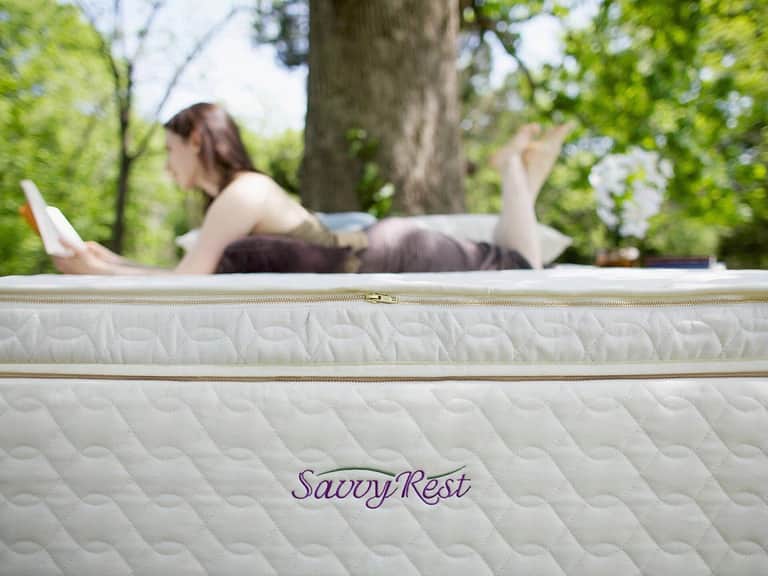
Among the notable options that highlight the blend of organic materials and tailored comfort is the Savvy Rest Unity Pillowtop Latex Mattress. This model demonstrates how a layered design, using organic casing and mixed latex layers, can offer customizable firmness and luxurious surface feel. The Unity Pillowtop combines a 13-inch height with four layers—three in the Serenity system and a topper on top—creating a plush surface ideal for side sleepers who seek pressure relief without sacrificing support.
Key details include:
In the context of organic materials and sleep health, the Unity Pillowtop exemplifies how thoughtful design can deliver a premium experience while remaining faithful to organic principles.
Your mattress is more than a tool for rest; it’s a platform that directly affects your sleep quality, indoor air quality, and long-term health. Organic materials reduce exposure to potentially harmful chemicals, regulate moisture more effectively, and align with a broader lifestyle of sustainable living. A well-chosen organic mattress contributes to fewer chemical irritants, a more comfortable climate during sleep, and greater peace of mind when you lie down at night.
But organic doesn’t automatically guarantee perfect sleep. A mattress must fit your body, support your spine, and align with your preferred sleep position. Certification and material transparency are important, but the true test is how the mattress feels under you and how well it supports your unique anatomy over time.
Choosing an organic mattress is a journey toward cleaner materials, responsible production, and enduring comfort. By understanding certifications, materials, and lifecycle considerations, you can make a decision that respects both your health and the environment. The goal is not simply to buy a mattress, but to invest in a sleep system that supports well-being for years to come.
As with any important purchase, take your time, test carefully, and ask questions about certification scope, materials sourcing, and end-of-life options. With a thoughtful approach, your organic mattress choice can become a trusted companion in your ongoing pursuit of restful, restorative sleep.
A plush, customizable latex mattress with organic cotton casing and a four-layer structure that blends Dunlop and Talalay latex for tailored comfort. Ideal for side sleepers seeking pressure relief without sacrificing support.
Certifications: Organic cotton casing; latex materials with organic lineage; warranty available.
Early textile advocate who championed pure materials and simple, durable sleep surfaces. Her work reminded consumers that comfort begins with the fiber in contact with the skin, not just the frame around it.
Sleep science pioneer who connected ergonomic support with longevity of the spine. His studies underscored the importance of balanced pressure distribution and stable support, setting the stage for later organic material innovations.
A contemporary authority on environmental health in consumer goods, she highlighted the intersection of sustainability and health in bedding, inspiring transparent certifications and ethical supply chains in modern organic mattresses.
Organic mattresses embody more than a label; they represent a commitment to cleaner materials, transparent processes, and a healthier sleep environment. By arming yourself with knowledge about certifications, materials, and lifecycle considerations, you can choose a mattress that honors both your body’s needs and the planet’s future.
For readers who want to dive deeper, consider exploring: